

TRUEPIC BLOG
Staged photos and fake videos: How loan fraud is changing with AI

Loan fraud isn’t new.
Private lenders have dealt with deception for decades, whether through inflated rehab budgets, misrepresented collateral, straw buyers, or “creative” property valuations .
What is new is the speed at which fraud tactics are evolving.
Today, it’s not just forged documents or suspicious invoices. It’s borrower-submitted photos and videos that look completely legitimate at first glance, but are staged, taken at the wrong property, edited, or even AI-generated.
When photos and videos can’t be trusted, lenders face real downstream consequences:
- releasing funds too early
- overvaluing collateral
- absorbing losses when fraud is uncovered
That’s why we partnered with the American Association of Private Lenders (AAPL) to design a new educational course for members: Media Fakes & Misrepresentation.
This course is built for private lending teams who rely on photos and videos to support their underwriting decisions, especially in draw processes.
Why this course exists
In private lending, everyone wants speed. But draw approvals still depend on proof of progress. And more often, that “proof” is just photos and videos.
The tradeoff is straightforward: fraudsters benefit from speed too.
Photo and video fraud thrives when teams are moving quickly and submissions is taken at face value, especially when there’s no consistent way to assess whether the files are:
- authentic
- current
- tied to the right property
And now AI has changed the baseline. While staged and misleading photos aren't a new risk, they are the fastest-evolving loan risk category, because misrepresentation is no longer limited to editing or staging.
Now, anyone can generate plausible photos and videos at scale, without specialized skills.
That's why we designed this course to help lenders move from ad hoc detection to a more consistent, scalable approach, especially as borrower misrepresentation becomes harder to spot and easier to scale.
What the course covers (and why it matters)
AAPL’s course breaks down how photo and video fraud shows up in underwriting and draw reviews and what teams can do about it.
The patterns lenders see most often
The course walks through common tactics, including:
- manipulated and staged inspection photos
- real photos taken at the wrong location
- AI-generated photos and videos
Why DIY detection doesn’t scale
Even experienced teams can’t reliably spot every fake or misrepresented photo, especially when they’re trying to move quickly and documentation is taken at face value.
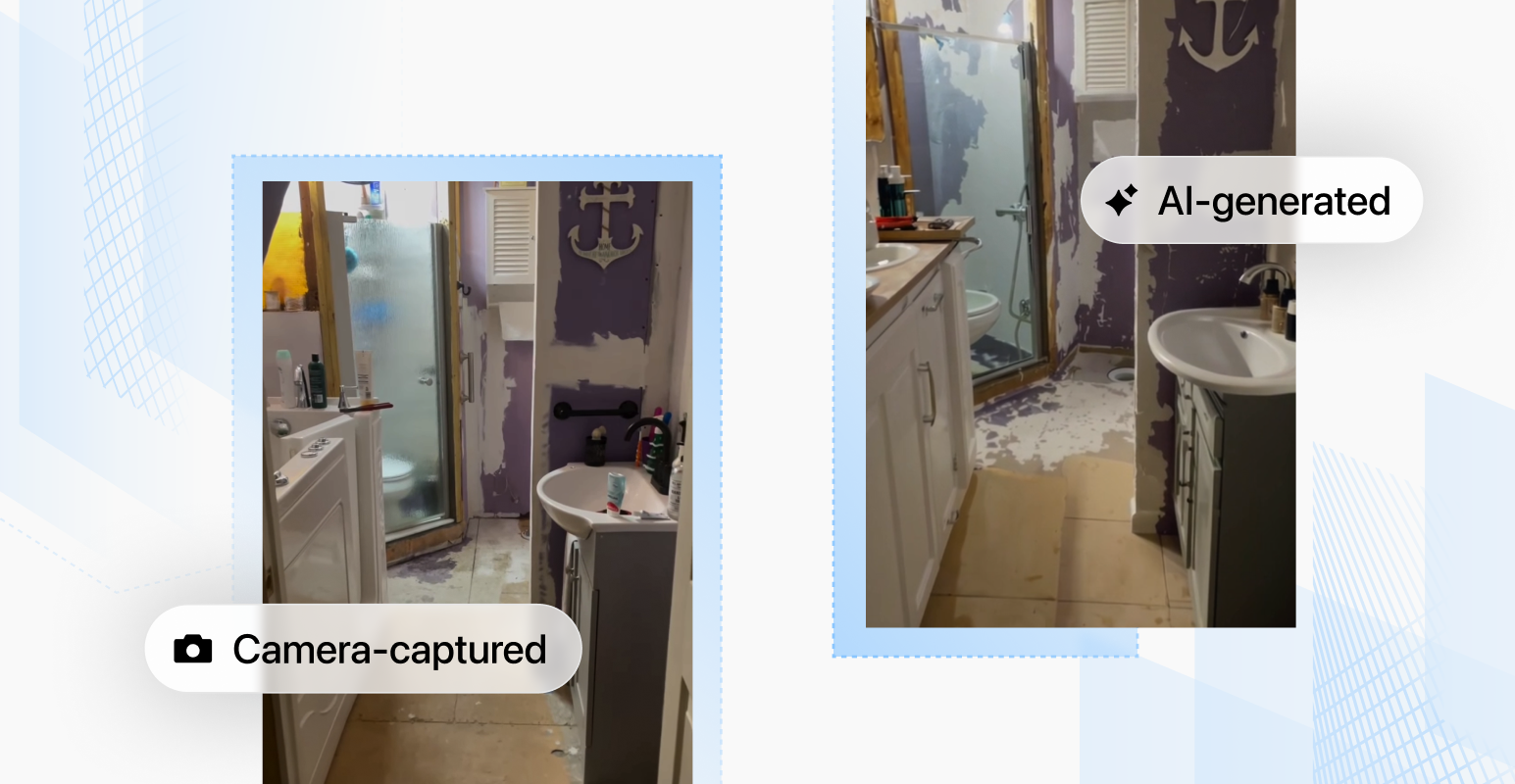
That’s why the course covers practical detection methods (and limitations), plus along with how loan fraud detection technology works, so lenders can make better decisions without relying solely on manual gut checks.
It also gives teams a practical framework to pressure-test their own approach, identifying where underwriting and draw reviews are most exposed and where due diligence can be tightened without creating borrower friction.
Who this course is for
If your team uses photos and videos to support:
- underwriting decisions
- construction progress updates
- draw reviews
…this course is built for you. AAPL members can access the Media Fakes & Misrepresentation course packaging for free.
Curious to learn how Truepic detects photo and video manipulation in real-time? Check out our fraud prevention capabilities and contact our team to learn more.
Subscribe to Truepic updates
Stay up to date with our latest resources and articles.